Bioma
A scientific AI nutritionist for iOS: photograph or describe your food and see calories, macronutrients and micronutrients against your personal daily targets rather than against a generic number.
Bioma Learn — an open, evidence-graded knowledge base built on USDA, FDA, NIH and the trials themselves: 1000 foods, 23 nutrients, 23 reviewed guides, 121 answered questions and 6 evidence reviews. Free, no account, no app required. Open the knowledge base →
What the app actually does
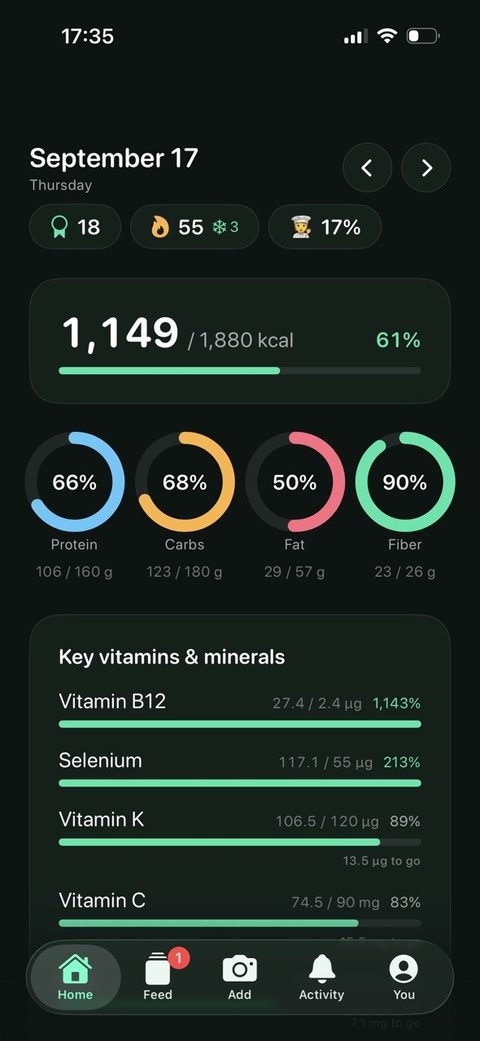
You photograph a meal or describe it in a sentence. Bioma recognises the food, estimates the portion and returns calories, protein, carbohydrate and fat, plus the vitamins and minerals, measured against your daily targets rather than against an average adult. The targets come from your body, activity and goal, and they change when you do. A barcode scan, a quick log and a manual entry all end on the same result screen, so there is one flow to learn rather than four.
Why it works better with friends
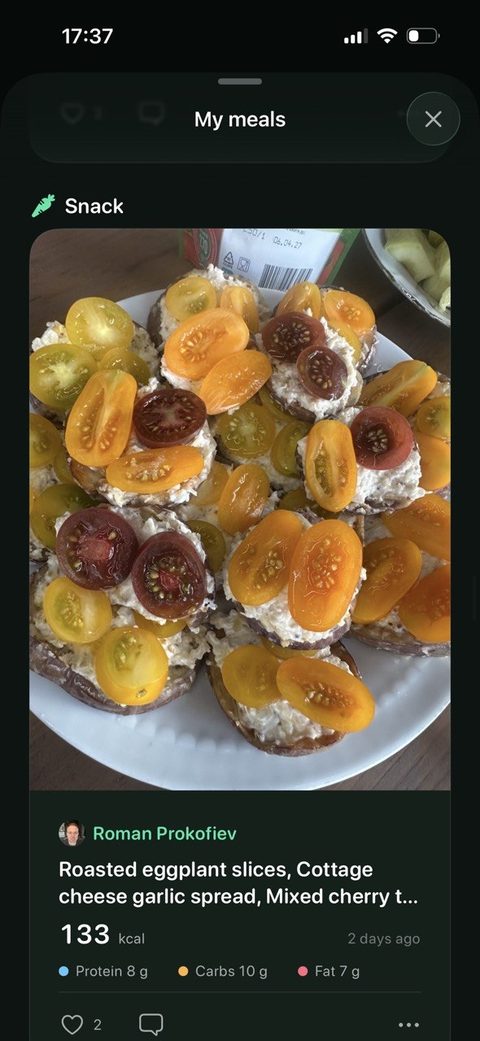
Most food trackers are a private spreadsheet you eventually stop filling in. Bioma is built the other way round: a meal you log appears in a timeline your friends can see, comment on and react to, and a leaderboard ranks consistency rather than weight. You can nudge a friend who has gone quiet, find people from your contacts, and send invites.
We put this in for a reason we can point at. A systematic review of 35 studies on why people stick with diet and activity programmes found social support and social accountability among the recurring facilitators, and concluded that interventions offering “opportunities for social engagement and personalization of goals may improve behaviour adherence” (Deslippe et al., International Journal of Behavioral Nutrition and Physical Activity, 2023). The habit of recording what you eat has its own literature: a review of 22 studies reported a consistent association between self-monitoring and weight outcomes, while noting that the studies were mostly observational (Burke et al., Journal of the American Dietetic Association, 2011).
Neither finding says an app makes people healthier, and we are not going to claim it does. What the evidence supports is narrower and more useful: people keep going when someone else is watching, and keeping going is the part everyone fails at.
Built to reward adding, never to shame
Three personal quests appear each day, generated from where yesterday actually fell short: low on protein, low on fibre, one vitamin far below its Daily Value. Logging days builds a streak, and a week of consistency earns a freeze so a single missed day does not erase a month of work. After a meal the app may add one short lesson about something you just ate, with a named source. It stays silent when it has nothing worth saying, because no lesson beats a stretched one.
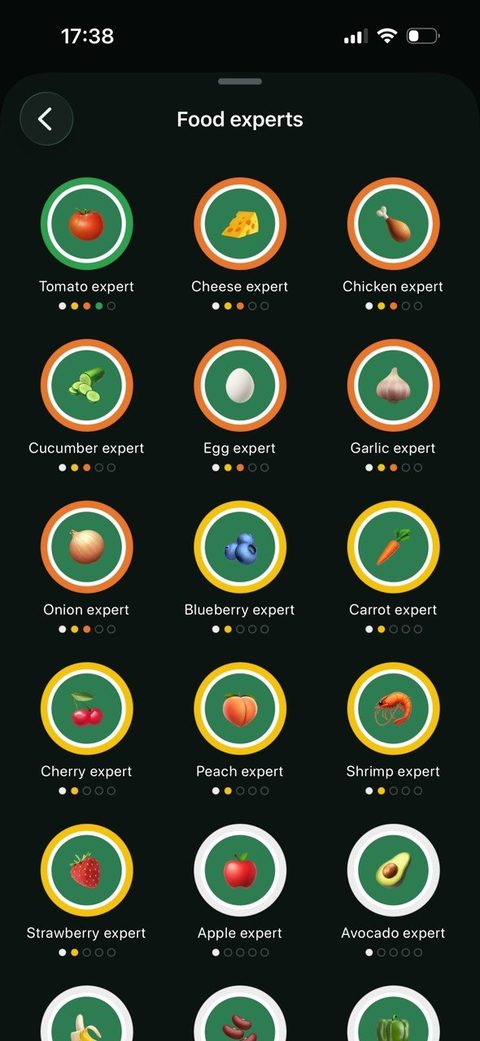
Badges work the same way. Eat tomatoes often enough and you become a tomato expert, with tiers that go up as you keep going. It is a small thing, and it is the opposite of a calorie limit shouting at you.
The rule behind all of it: reward adding good things rather than punishing what you ate. Nothing in Bioma scolds you.
The numbers behind the app are the ones published here
Bioma Learn is not marketing material for the app. It is the same evidence base, open to everyone, with the sources and the strength of evidence shown on every claim. If you want to check what the app tells you, the working is published.
Bioma is currently in TestFlight. iOS 17 and later, in ten languages.